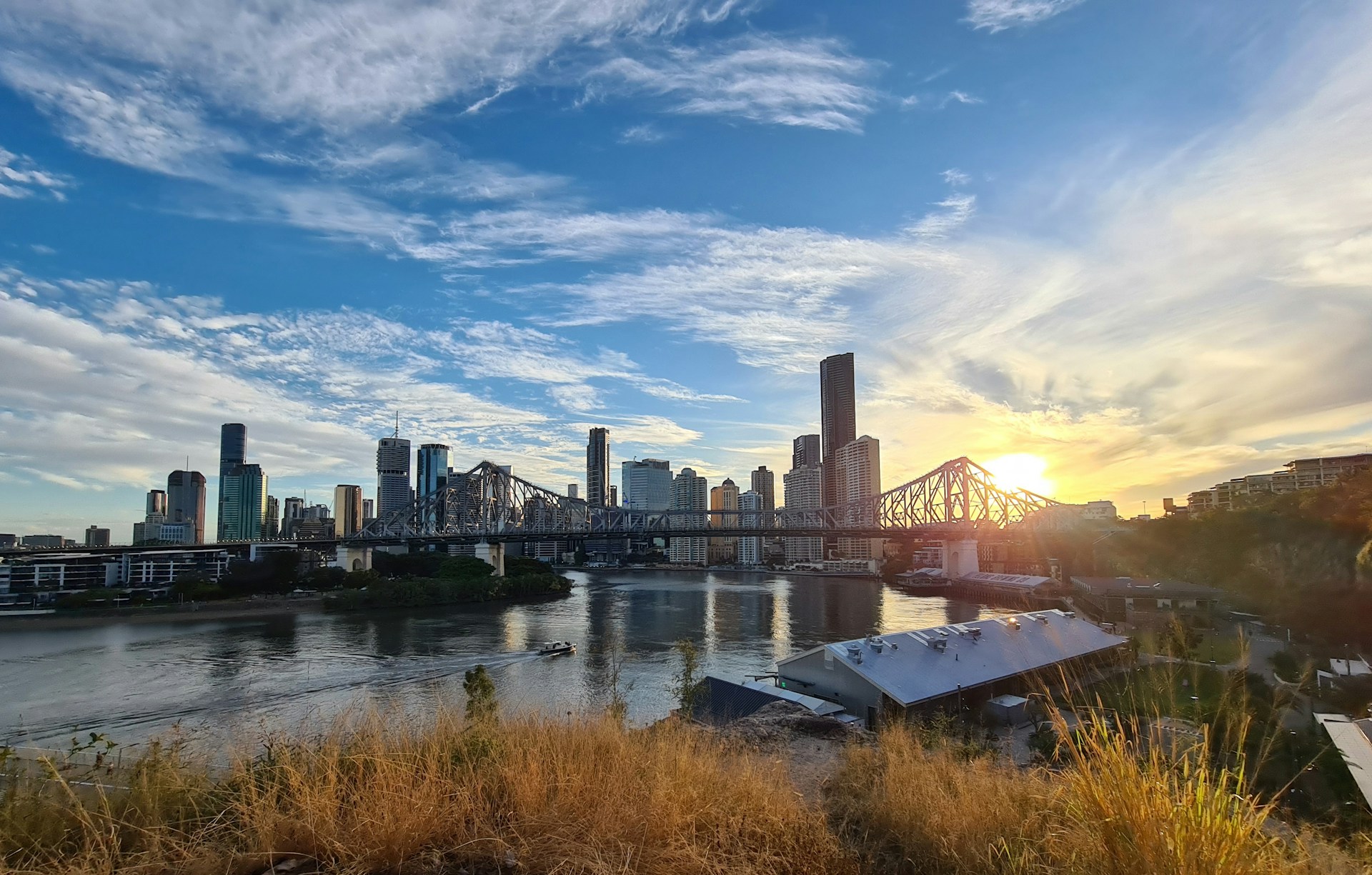
Moving to Australia can feel exciting and overwhelming at the same time.
Before arriving, it is easy to focus on the big things — finding a place to live, starting work or study, choosing a school, opening a bank account and getting settled. But once everyday life begins, you quickly realise that it is often the smaller things that take the most time to understand.
Some parts of life in Australia were easier than I expected. Others took much longer to figure out.
Looking back, these are some of the things I wish I had known before starting my life in Australia.
1. Australia can be more expensive than you expect
Most people know that Australia is not a cheap country, but everyday costs can still be surprising.
Rent is usually the biggest expense, but groceries, eating out, insurance, transport, electricity, school-related expenses and car costs can quickly add up.
The important thing is not only to compare your expected income with rent. It helps to build a realistic monthly budget that includes the less obvious costs as well.
For example, if you plan to own a car, remember to consider registration, insurance, fuel, servicing, tyres and parking.
If you are moving with a family, school activities, sport, uniforms and other everyday expenses can also become part of the budget.
I would definitely recommend having more savings available than you think you will need during the first few months.
2. Where you live can affect almost every part of your daily life
Australia is huge, and even within one city, life can feel very different depending on the suburb.
When choosing where to live, it is easy to focus mainly on rent or house prices. But location can also affect:
- commuting time
- access to public transport
- schools
- childcare
- shopping
- healthcare
- weekend activities
- parking
- overall lifestyle
A suburb that looks close on a map may still involve a long commute during peak-hour traffic.
For families, school catchments can also be important, so it is worth researching the area carefully before signing a long lease or buying a home.
Sometimes paying a little more for the right location can make everyday life much easier.
3. Renting can take more preparation than expected
Finding a rental property can be stressful, particularly when demand is high.
It helps to prepare documents in advance rather than waiting until you find the perfect property.
Depending on your situation, you may need identification, employment or income information, rental history and references.
It is also worth understanding the rental rules in the state or territory where you live because responsibilities and processes can vary.
One thing I learned is that finding somewhere to live is not only about finding a nice property. You also need to think about transport, schools, shops, work and how the area will actually fit your daily routine.
4. Understanding the healthcare system takes time
Australia has a good healthcare system, but it can be confusing when you first arrive.
You may hear terms such as:
GP, Medicare, bulk billing, referral, specialist and private health insurance.
At first, even making a simple doctor’s appointment can feel unfamiliar.
It is useful to learn how local GP clinics work, whether appointments need to be booked in advance and what fees may apply.
Medicare eligibility and healthcare costs depend on your individual circumstances, so it is always important to check current information from official Australian government sources.
Knowing the system before you actually need medical care can save a lot of stress later.
5. A car can make life much easier — depending on where you live
Public transport works well in some areas, but Australia is very spread out.
In many suburbs, especially when you have children or need to travel between work, school, shopping and activities, having a car can make everyday life considerably easier.
But owning a car also comes with ongoing costs.
Registration, insurance, fuel, maintenance and repairs all need to be included in your budget.
Before buying a car, I would also recommend checking where you will actually be living and working. Some people may be perfectly comfortable without one, while others may find a car almost essential.
6. Australian schools may feel different from what you are used to
For families moving to Australia, the school system can take some time to understand.
School years, enrolment processes, catchment areas, uniforms, extracurricular activities and communication between teachers and families may all work differently from what you have experienced before.
There can also be differences between states and territories.
One thing I particularly appreciate about Australian education is that learning is not always focused only on academic results. Schools can place considerable value on participation, communication, wellbeing, sport, creativity and independence as well.
However, every school is different, so it is worth looking beyond rankings and considering the overall environment and whether it suits your child.
7. Everyday English is sometimes harder than textbook English
Even if you speak English reasonably well, Australian everyday English can take some getting used to.
People shorten words, speak quickly and use expressions that may not appear in textbooks.
You may understand formal English but still find yourself wondering what someone meant at the supermarket, school office, GP clinic or workplace.
The good news is that it becomes much easier with time.
I found that everyday situations were often some of the best opportunities to learn — listening carefully, asking questions and becoming familiar with the expressions people actually use.
8. You do not need to understand everything immediately
When you first move to another country, there can be pressure to organise everything quickly.
A home.
A job.
Schools.
Banking.
Healthcare.
Transport.
Friends.
A new routine.
It can feel as though everyone else understands how things work except you.
But there is a lot to learn, and most of it comes gradually.
You do not need to know the entire Australian system during your first month.
Solve one practical problem at a time.
Over time, the unfamiliar supermarket, school system, roads, paperwork and services slowly become part of normal life.
9. Local knowledge is incredibly valuable
Government websites are essential for official information, but they cannot always tell you what everyday life actually feels like.
Sometimes what you really want to know is:
Which supermarket is better?
How much does a GP appointment actually cost?
Is this suburb convenient for families?
How difficult is school enrolment?
Do I really need a car?
What happens when something breaks in a rental property?
These are the kinds of practical questions people often learn through experience.
Talking to people who already live locally, joining community groups and reading genuine experiences can help fill the gap between official information and everyday reality.
10. Australia does not have to feel like home immediately
Perhaps the biggest thing I wish I had understood earlier is that building a life somewhere new takes time.
There are exciting moments, but there are also frustrating ones.
Sometimes you miss what was familiar. Sometimes a simple task takes much longer because you do not yet understand the system.
Then, slowly, things change.
You know which supermarket you prefer.
You know which roads to avoid in peak hour.
You understand school emails.
You find your favourite café.
You stop thinking about every small decision.
And at some point, Australia begins to feel less like a place you moved to and more like a place where your life is happening.
Final Thoughts
Moving to Australia is not just about visas, jobs or finding somewhere to live.
It is also about learning hundreds of small things that eventually make everyday life feel normal.
That is one of the reasons I created Our Aussie Chapter.
I want this site to share the practical side of living, learning and building a life in Australia — including the things that are useful, confusing, expensive, surprising or simply good to know.
If you are already living here, planning a move, considering study or starting a new chapter in Australia, I hope the experiences and information shared here make your journey a little easier.
Welcome to your Aussie chapter.
Note: This article shares general information and personal perspectives. Immigration, healthcare, education and other requirements can change, so please check the relevant Australian government or professional sources for information specific to your circumstances.
Image credit: Photo by Bhavesh Patel on Unsplash.
Leave a Reply