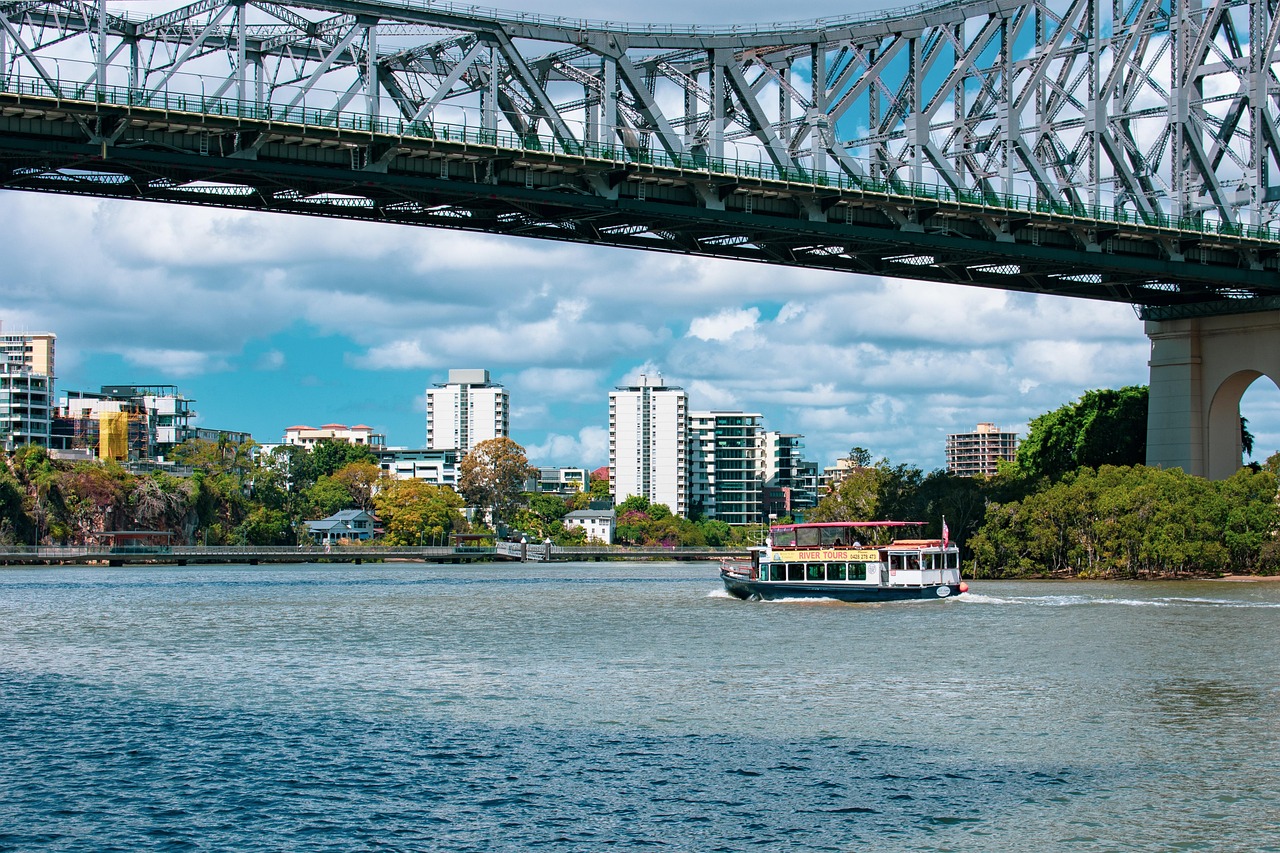
Brisbane can look deceptively easy to understand from a distance.
It is sunny, relaxed and smaller than Sydney or Melbourne, and it is often described as a city where you can enjoy both urban life and the outdoors. All of that is true to some extent — but actually living in Brisbane is different from visiting for a few days.
Where you live can completely change your daily routine. The weather takes some adjustment. Public transport works well for some people and is much less convenient for others. Renting, schooling and even grocery shopping can feel surprisingly different depending on the suburb you choose.
If you are thinking about moving to Brisbane, these are some of the practical things worth considering before you arrive.
1. Choosing the right suburb matters more than you might expect
Brisbane is not a city where every suburb feels interchangeable.
Two homes that look relatively close on a map can offer very different experiences in terms of commuting, public transport, schools, shopping and lifestyle.
Before choosing a suburb, think about what will actually shape your week.
Where will you work or study?
Do you need to be near a train station?
Will children need to travel to school?
Do you expect to drive every day?
Do you want to be close to the CBD, or would you rather have more space?
A cheaper rental farther from the city may initially look attractive, but the saving can feel much smaller if it means longer commutes, extra fuel costs or needing a second car.
For families, school location can also make a significant difference, so it is worth researching both the home and the surrounding area rather than choosing a property based on price alone.
2. Renting can require patience
Finding the right rental is often one of the most stressful parts of moving.
It helps to have your paperwork ready before you begin seriously applying for properties. Identification, income or employment information, rental history and references may all be useful depending on your circumstances.
It is also worth looking beyond the photographs in a listing.
When inspecting a property, I would pay attention to practical details such as:
- air conditioning and ventilation
- storage
- parking
- distance to shops
- public transport
- traffic noise
- natural light
- security
- how hot the property may become in summer
Brisbane’s climate also means that things such as shade, airflow and air conditioning can affect everyday comfort more than you might expect when looking at a property online.
And if you are moving with school-aged children, check school arrangements before committing to a long lease.
3. Brisbane is spread out
One of the biggest adjustments for some newcomers is simply the size of the city.
Brisbane has a CBD, but daily life is spread across many suburbs rather than concentrated in one central area.
That means your experience of Brisbane may depend heavily on where you live.
Someone living close to a train line and working in the CBD may find public transport very convenient. Someone living farther out and travelling between suburbs for work, school and activities may find driving much easier.
Before moving, use maps to check actual travel times, not just distance.
A location that seems only a few kilometres away may feel very different during busy periods.
4. You may or may not need a car
Whether you need a car in Brisbane depends largely on your lifestyle.
If you live near reliable public transport and travel mainly into the city, it may be possible to manage without one.
For families or people who regularly travel between suburbs, however, a car can make life considerably easier.
If you plan to buy one, remember that the purchase price is only part of the cost. You will also need to think about registration, insurance, fuel, servicing, tyres, repairs and possibly parking.
This is one of those expenses that is easy to underestimate when planning a move.
5. The weather affects everyday life
Brisbane’s weather is one of its attractions, but it also takes some getting used to.
The warmer months can be hot and humid, and summer storms can be intense. At the same time, winter days can be very pleasant, while mornings and evenings may feel cooler than newcomers expect.
The climate affects surprisingly ordinary decisions.
You may start paying more attention to:
- whether a house has good air conditioning
- where the afternoon sun hits
- covered parking
- shade at playgrounds
- when to exercise outdoors
- storm warnings
- sunscreen
- ventilation
If you are arriving from a cooler climate, Brisbane summer may take a little time to adjust to.
6. Cost of living is more than rent
Rent is usually the first figure people research, but it is only one part of your Brisbane budget.
Depending on your household, regular expenses might include:
- groceries
- electricity
- internet and mobile plans
- transport
- car expenses
- healthcare
- school costs
- childcare
- sport and activities
- eating out
- insurance
The cost of living also varies according to lifestyle.
Someone living close to work with good public transport may spend less on driving. A family farther from the city may have cheaper housing but higher transport costs.
When planning your budget, I would look at the whole month rather than rent alone.
It is also sensible to arrive with a financial buffer. The first few months in a new city tend to include expenses you did not think about beforehand.
7. Families should understand the school system before choosing a home
If you are moving with children, schooling deserves early research.
Australia’s education system may differ significantly from what you are familiar with, and arrangements can vary between states.
In Queensland, where you live can matter for enrolment at some state schools because school catchment areas may apply.
That means choosing a suburb and choosing a school can sometimes become part of the same decision.
It is also useful to understand the differences between state, Catholic and independent schools, as well as school terms, uniforms, extracurricular activities and the way schools communicate with families.
Try not to judge a school only by rankings.
Location, school culture, your child’s needs, subject options, transport and the overall environment can all be just as important.
I’ll cover the Australian and Queensland school systems in more detail in a separate guide.
8. Healthcare terminology can be confusing at first
If you are new to Australia, even familiar situations such as visiting a doctor can involve unfamiliar language.
You may hear terms such as:
GP, Medicare, bulk billing, referral, specialist and private health insurance.
It is worth understanding these before you actually need medical care.
Find out which GP clinics are near your home, whether they accept new patients, how appointments work and what fees may apply.
Your access to Medicare and other healthcare services will depend on your individual circumstances, so always check current official information rather than assuming that someone else’s situation will be the same as yours.
9. Everyday life in Brisbane can feel quite relaxed
One thing many people notice about Brisbane is that daily life can feel less rushed than in some larger cities.
Outdoor activities are a big part of the lifestyle, and weekends can easily involve parks, cafés, markets, sport, walking trails or trips outside the city.
The Gold Coast, Sunshine Coast and various hinterland areas are also within reach for day trips or weekends away.
But you do not need to spend every weekend exploring somewhere new.
Some of the nicest parts of settling in come from much smaller things — finding a local café you like, learning where to shop, recognising the roads around your neighbourhood and gradually building a routine.
That is when a city begins to feel less unfamiliar.
10. Give yourself time to learn how Brisbane works
There is a difference between moving somewhere and actually settling there.
At first, everything requires decisions.
Which suburb?
Which supermarket?
Which GP?
Which school?
Which road?
Where do I park?
What does this bill mean?
How does this service work?
Eventually, most of those questions disappear from your daily thinking.
You learn which routes work for you.
You know which shops you prefer.
You understand how local services work.
You begin to recognise suburbs rather than just names on a map.
And gradually Brisbane starts feeling like somewhere you live rather than somewhere you have just moved to.
Final Thoughts
Brisbane has a lot to offer, but the best way to prepare for life here is not simply to research tourist attractions or average house prices.
Think about how you actually want to live.
Consider your commute, housing, transport, schooling, budget and daily routine together. The suburb that works perfectly for one person may be completely impractical for another.
And do not expect to understand everything before you arrive.
Some things can only be learned through living here.
If you are planning a move to Australia more broadly, you may also want to read:
→ 10 Things I Wish I Knew Before Moving to Australia
If you’re deciding where to live, read:
→ How to Choose a Suburb in Brisbane: What to Consider Before You Move.
As I continue building Our Aussie Chapter, I’ll share more practical guides about Brisbane, Queensland and the everyday side of settling into life in Australia.
Note
This article provides general information and personal perspectives only. Housing, transport, education, healthcare and other services or requirements can change, so always check relevant Queensland and Australian government sources for current information.
Image credit: Pixabay
Leave a Reply